
Premier League Fan Culture: From the Kop to the Stretford End
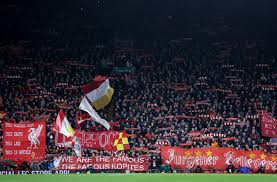
The roar of the crowd, the sea of scarves, the chants that echo for generations – this is the heartbeat of the Premier League. Beyond the billion-pound broadcast deals and global superstars lies an enduring force: the supporters. From the hallowed terraces of England’s historic grounds to the vibrant, choreographed displays in North America, football fan culture is a living, breathing entity. This is the story of that culture, exploring its iconic landmarks, its unifying rituals, its evolving influence, and the passionate communities that define it on both sides of the Atlantic.
The Cathedrals of Sound: England’s Iconic Stands
In the Premier League, geography is identity. A stadium stand is never just a collection of seats and steel; it is a sacred space, a bastion of tradition, and the primary source of a club’s audible soul. These stands are where history is felt most acutely, where collective will is manifested, and where the unique character of a supporter base is forged.
The Anfield Kop: More Than a Stand
No stand in world football carries the mythic weight of Anfield’s Kop. Originally a vast, open terraced bank, it was named after the Spion Kop hill in South Africa. Today’s all-seater version remains the spiritual core of Liverpool FC. It’s from here that the club’s anthem, ‘You’ll Never Walk Alone’, rises with spine-tingling conviction before every match. Opposite, the Sir Kenny Dalglish Stand now stands, a modern tribute to a legendary figure, yet it is the Kop that dictates the emotional temperature of the stadium, its songs and reactions providing the narrative for the drama on the pitch.
The Stretford End: The Theatre of Dreams’ Engine Room
If the Kop is a choir, Old Trafford’s Stretford End is a relentless engine room. Historically the home end for Manchester United’s most vocal supporters, it has been the birthplace of countless chants and the source of the stadium’s most intimidating atmosphere. While modern redevelopment has altered its physical structure, the name endures as a byword for the club’s most passionate faithful. Similarly, The Holte End at Villa Park is Aston Villa’s fortress, a steep, towering stand that has willed the team on for over a century, proving that iconic status isn’t reserved solely for the ‘Big Six’.
The Chanting Heartbeat: Songs, Rituals and Identity
The true language of the terraces is sung, not spoken. Chants, anthems, and visual displays are the tools with which fans express identity, loyalty, and wit. This folklore, passed down through generations, is what separates a gathering of spectators from a cohesive, powerful supporter culture.
Anthems That Define Clubs
While ‘You’ll Never Walk Alone’ is the gold standard, other clubs have anthems that bind their communities. Arsenal’s adoption of ‘North London Forever’ has become a powerful, modern pre-match ritual, its lyrics resonating deeply with the fanbase’s sense of place and history. These songs are more than mere playlists; they are declarations of belonging.
Tifos, Flags and Visual Spectacle
The modern matchday is a visual feast, driven by organised fan groups. At Crystal Palace, the Holmesdale Fanatics create a wall of colour and noise, their displays setting the standard in England. Meanwhile, groups like Tottenham’s The 1882 movement were founded to prioritise atmosphere, using flags and coordinated singing to transform sections of the stadium. This visual culture, borrowed from continental Europe, includes:
- Large-scale painted displays (tifos) unveiled before big matches.
- Waves of coloured flags and banners that run through a stand.
- Continuous displays of two-stick banners and scarves held aloft.
These acts turn passive watching into active participation, making every fan a pixel in a larger, breathtaking picture.
The Modern Fan Group: Organisation and Influence
Today’s supporter culture is not just spontaneous; it is highly organised. The modern fan group has evolved from a casual collective into a structured entity with stated aims, from protecting ticket affordability to safeguarding club heritage, proving that passion can be channelled into tangible influence.
From Terraces to Boardroom Dialogue
The landmark moment in this evolution was the formation of the Spirit of Shankly supporters’ trust at Liverpool. Born from the Hicks and Gillett ownership turmoil, it demonstrated that organised fans could effect change, moving from protest on the streets to dialogue in the boardroom. This model was pivotal during the European Super League collapse in 2021, where the unified, furious response from structured fan groups across England was a decisive factor in the project’s swift demise.
Digital Communities and Global Reach
The local community has been amplified globally by digital networks. Online forums, social media groups, and podcast communities allow a fan in Singapore to share matchday rituals with a season-ticket holder in Salford. This digital layer extends the supporter culture, creating global villages united by club allegiance, sharing news, debate, and organising meet-ups, ensuring the culture thrives far beyond the postal code of the stadium.
Cross-Pollination: MLS and Premier League Fan Culture
The passion for fan culture has crossed the Atlantic. Major League Soccer (MLS), in building its identity, has looked directly to the traditions of European and particularly Premier League supporters, creating a fascinating blend of homage and New-World innovation.
Shared Traditions and New-World Flair
MLS supporter groups like the Emerald City Supporters (ECS) at Seattle Sounders or the 3252 at LAFC embody this fusion. They have adopted core elements of the European model: capo-led chanting, 90 minutes of persistent singing, and elaborate tifo displays. Yet, they inject a distinctively North American energy and organisational flair, often with a more inclusive and family-friendly approach. The result is a culture that feels both familiar and freshly vibrant.
A Transatlantic Dialogue
This is no one-way street. Premier League fans increasingly admire the visual spectacle and sustained atmosphere generated in MLS cathedrals like LAFC’s Banc of California Stadium. The dialogue enriches both sides. Shared experiences—the agony of a last-minute loss, the ecstasy of a derby win—create a common language. This transatlantic bond underscores that the core of supporter culture—a deep, communal love for the club—is universal, whether expressed in Manchester or Minneapolis.
The Supporter’s Perspective: Culture and Responsible Betting
For many fans, deep engagement with the game extends into the realm of sports betting. From the office sweepstake to the pre-match accumulator, betting is woven into the social fabric of football fandom. At Footie Mob, our perspective is that this engagement should be driven by the supporter’s unique insight and always framed by responsibility and community.
Betting With Insight, Not Just Hope
A true fan’s knowledge—understanding a team’s form at home, the impact of a key injury, or a manager’s tactical tendency—can inform more thoughtful engagement with betting markets. It shifts the dynamic from blind hope to analysed interest. Recognising this, responsible, established platforms like Betfair and Paddy Power have become embedded in the fan ecosystem through sponsorships and integrations that speak the language of the supporter. Their presence at grounds and in media underscores the intersection of modern fan culture and betting, making the choice of a responsible provider paramount.
Community and Shared Experience
Crucially, betting in a football context is often a shared, social experience. It’s the topic of conversation in the pub, the group chat debating weekend odds, or the collective groan when a last-minute goal ruins an accumulator. This communal aspect mirrors the very essence of supporter culture—it’s about shared narratives and collective emotional journeys. The key is ensuring this remains a fun, controlled part of the fan experience, never overshadowing the love for the game itself.
While stadiums are rebuilt, players transferred, and kits updated every season, the enduring, collective passion of the supporters remains the true, unchanging soul of the Premier League and the global game. It is a culture that honours its history in stands like the Kop, voices its identity in song, organises for its future, and connects continents through shared passion. This is the heartbeat that makes football more than just a sport.